Word Explanation
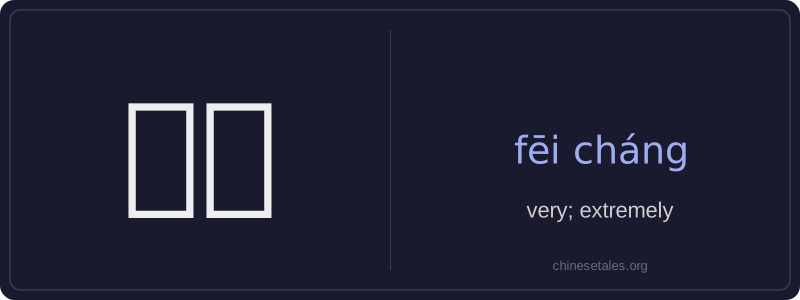
非常 (fēi cháng) is an adverb meaning 'very' or 'extremely', used to intensify adjectives, verbs, or other adverbs. Literally, 非 means 'not' and 常 means 'ordinary' or 'usual', so together they convey the idea of 'not ordinary' — that is, exceptional or extraordinary. It’s one of the most common and versatile intensifiers in spoken and written Mandarin, appropriate in both formal and informal contexts.
非常 typically appears before adjectives (e.g., 非常好, 'very good') or verbs (e.g., 非常喜欢, 'like very much'). Unlike some intensifiers, it cannot modify nouns directly — you wouldn’t say *非常苹果; instead, use it with a descriptive predicate like 这个苹果非常甜. It’s frequently used in polite speech, especially when expressing gratitude (非常感谢) or appreciation, giving it a warm, sincere tone.
Example Sentences
Related Words
见面
见面 literally means 'see face' — combining 见 (t
背后
背后 literally means 'back + behind' and functions
我的
我的 (wǒ de) is a possessive pronoun meaning 'my'
中学
'Zhōngxué' literally combines 'zhōng' (middle)
面条
‘面条’ (miàn tiáo) literally means ‘flour str
后来
Later (hòulái) is an adverb meaning 'afterwards'
在家
'Zài jiā' literally combines the preposition 'z
不对
不对 (bù duì) literally combines 不 (bù), meani