Word Explanation
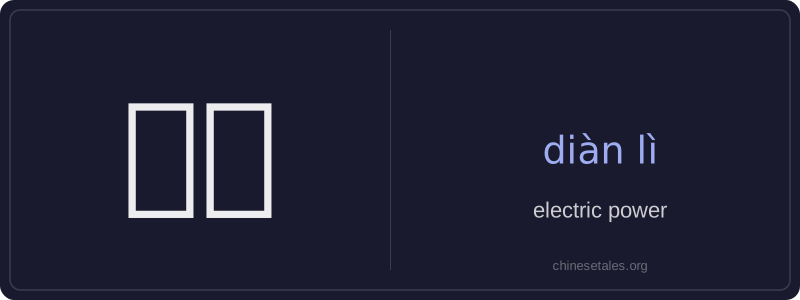
电力 (diàn lì) literally combines 电 (diàn), meaning 'electricity' or 'electric', and 力 (lì), meaning 'power' or 'force'. Together, they form the standard term for 'electric power' — the energy generated, transmitted, and consumed in electrical systems. It refers to electricity as a measurable physical quantity (e.g., in kilowatts) and is commonly used in technical, industrial, and everyday contexts related to energy supply.
This word appears frequently in discussions about infrastructure, utility services, energy policy, and household consumption. Unlike the more general term 电 (diàn), which can mean 'electricity' in casual speech (e.g., 'The lights went out — no electricity'), 电力 emphasizes the engineered, deliverable form of electrical energy — such as power supplied by a grid, generated by a plant, or measured on a bill. It’s a formal, uncountable noun and never used in plural or with measure words like 个.
Example Sentences
Related Words
见面
见面 literally means 'see face' — combining 见 (t
背后
背后 literally means 'back + behind' and functions
我的
我的 (wǒ de) is a possessive pronoun meaning 'my'
中学
'Zhōngxué' literally combines 'zhōng' (middle)
面条
‘面条’ (miàn tiáo) literally means ‘flour str
后来
Later (hòulái) is an adverb meaning 'afterwards'
在家
'Zài jiā' literally combines the preposition 'z
不对
不对 (bù duì) literally combines 不 (bù), meani