Word Explanation
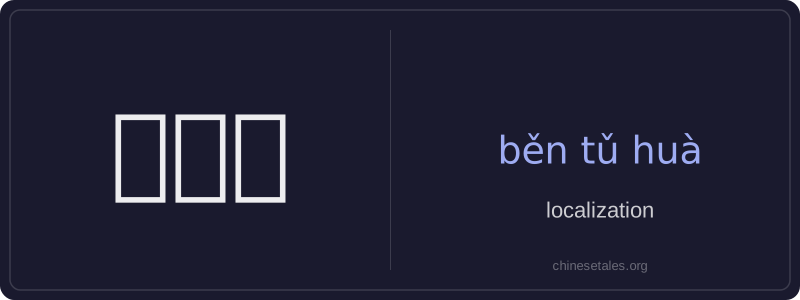
'Běntǔhuà' literally combines 'běn' (original, root), 'tǔ' (soil, native land), and 'huà' (to transform, to make into). Together, it means the process of adapting something foreign—such as a product, service, concept, or system—to align with local language, culture, values, regulations, or user expectations. It goes beyond simple translation and includes adjusting content, design, examples, units of measurement, holidays, social norms, and even humor to feel authentically local.
This term is widely used in business, technology, education, and media. For example, multinational companies practice běntǔhuà when launching software in China by replacing Western names with Chinese ones, using local payment methods like WeChat Pay, and incorporating regional idioms. Unlike 'fānyì' (translation), which focuses on linguistic accuracy, běntǔhuà emphasizes cultural resonance and functional appropriateness within a specific geographic or ethnic context.
Example Sentences
Related Words
见面
见面 literally means 'see face' — combining 见 (t
背后
背后 literally means 'back + behind' and functions
我的
我的 (wǒ de) is a possessive pronoun meaning 'my'
中学
'Zhōngxué' literally combines 'zhōng' (middle)
面条
‘面条’ (miàn tiáo) literally means ‘flour str
后来
Later (hòulái) is an adverb meaning 'afterwards'
在家
'Zài jiā' literally combines the preposition 'z
不对
不对 (bù duì) literally combines 不 (bù), meani