Word Explanation
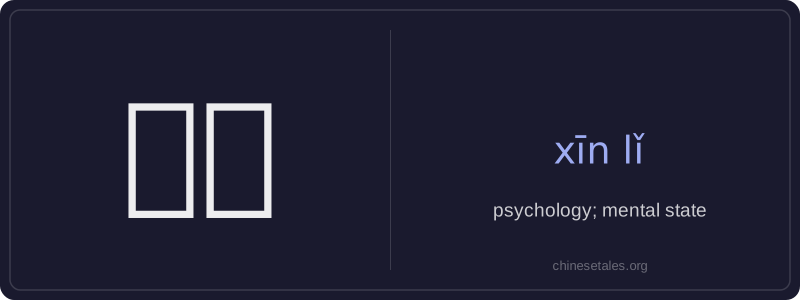
心理 (xīn lǐ) literally combines 心 (xīn), meaning 'heart' or 'mind', and 理 (lǐ), meaning 'principle', 'reason', or 'logic'. Together, they form a compound noun referring to the inner workings of the human mind — including thoughts, feelings, motivations, and mental processes. While historically rooted in traditional Chinese concepts of the heart-mind as the seat of cognition and emotion, modern usage aligns closely with the Western academic field of psychology.
The term is used broadly in both everyday and professional contexts: to discuss someone’s mental state ('her psychological well-being'), describe reactions ('his psychological response to stress'), or refer to the discipline itself ('she studies psychology'). It appears frequently in health, education, counseling, and media discussions about emotional resilience, trauma, or development. Unlike 心情 (mood) or 情绪 (emotion), which refer to transient states, 心理 suggests deeper, more systemic mental patterns and structures.
Example Sentences
Related Words
见面
见面 literally means 'see face' — combining 见 (t
背后
背后 literally means 'back + behind' and functions
我的
我的 (wǒ de) is a possessive pronoun meaning 'my'
中学
'Zhōngxué' literally combines 'zhōng' (middle)
面条
‘面条’ (miàn tiáo) literally means ‘flour str
后来
Later (hòulái) is an adverb meaning 'afterwards'
在家
'Zài jiā' literally combines the preposition 'z
不对
不对 (bù duì) literally combines 不 (bù), meani