Word Explanation
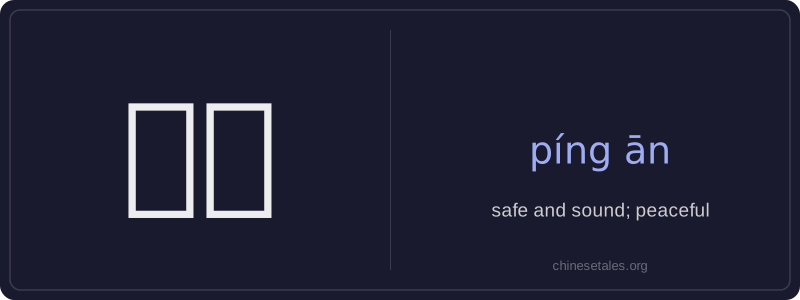
平安 (píng ān) literally combines 平 (píng), meaning 'level', 'calm', or 'peaceful', and 安 (ān), meaning 'safe', 'secure', or 'tranquil'. Together, they express the state of being unharmed and at peace — physically safe and emotionally serene. It emphasizes wholeness and absence of danger or disturbance.
This word is commonly used in greetings (e.g., wishing someone safety after travel), blessings (especially during festivals or illness), and formal announcements (e.g., safety reports). While it can function as a noun ('safety' or 'peace'), it often appears attributively like an adjective ('a peaceful life') or as a standalone blessing ('Wishing you平安!'). It carries warm, caring connotations and is deeply rooted in Chinese cultural values of harmony and well-being.
Example Sentences
Related Words
见面
见面 literally means 'see face' — combining 见 (t
背后
背后 literally means 'back + behind' and functions
我的
我的 (wǒ de) is a possessive pronoun meaning 'my'
中学
'Zhōngxué' literally combines 'zhōng' (middle)
面条
‘面条’ (miàn tiáo) literally means ‘flour str
后来
Later (hòulái) is an adverb meaning 'afterwards'
在家
'Zài jiā' literally combines the preposition 'z
不对
不对 (bù duì) literally combines 不 (bù), meani