Word Explanation
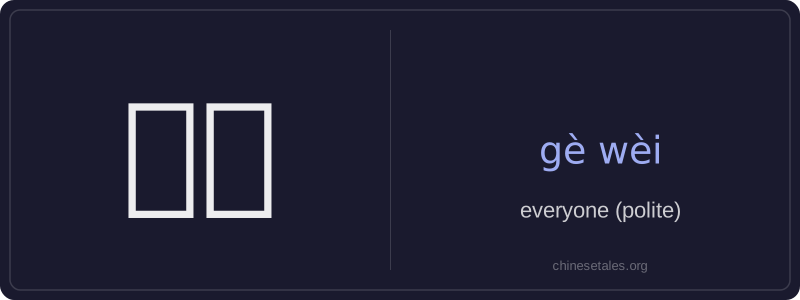
各位 (gè wèi) is a polite, collective noun meaning 'everyone' or 'ladies and gentlemen' — used to address a group respectfully. It combines 各 (gè), meaning 'each' or 'every', and 位 (wèi), an honorific measure word for people (like 'a distinguished person'). Together, they literally mean 'each esteemed person', conveying deference and inclusivity.
This term is common in formal or semi-formal spoken Chinese: announcements, speeches, meetings, emails, or public notices. It’s never used in casual conversation among friends or family — there, you’d say 大家 (dàjiā) instead. 各位 always precedes verbs or nouns directly (e.g., 各位好, 各位请坐), and it carries no plural marker since it’s inherently plural and honorific. It’s gender-neutral and appropriate for mixed or unknown audiences.
Example Sentences
Related Words
见面
见面 literally means 'see face' — combining 见 (t
背后
背后 literally means 'back + behind' and functions
我的
我的 (wǒ de) is a possessive pronoun meaning 'my'
中学
'Zhōngxué' literally combines 'zhōng' (middle)
面条
‘面条’ (miàn tiáo) literally means ‘flour str
后来
Later (hòulái) is an adverb meaning 'afterwards'
在家
'Zài jiā' literally combines the preposition 'z
不对
不对 (bù duì) literally combines 不 (bù), meani