Word Explanation
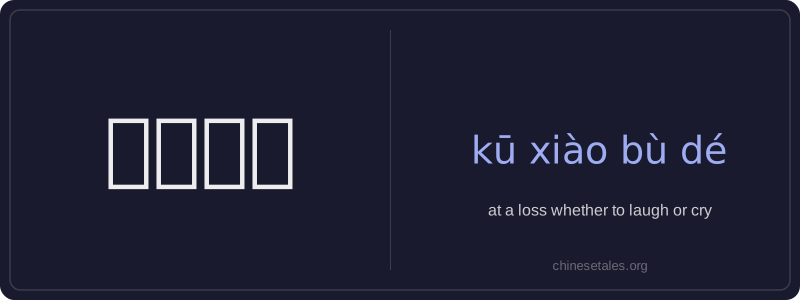
‘哭笑不得’ literally means 'unable to cry or laugh' — it describes a state of bewildered helplessness where a situation is so absurd, ironic, or awkward that neither laughter nor tears feels appropriate. The four characters combine to express emotional paralysis: 哭 (to cry), 笑 (to laugh), 不 (not), and 得 (able to). It’s not about sadness or joy alone, but the collision of both — often triggered by someone’s unintentional blunder, a ridiculous misunderstanding, or an exasperating yet harmless predicament.
This idiom is commonly used in spoken and written Chinese to convey mild frustration mixed with amusement. It carries a light, slightly self-deprecating or empathetic tone — never harsh or angry. Native speakers use it when describing minor social mishaps, clumsy excuses, or ironic reversals that defy simple emotional labeling. It reflects a very Chinese cultural tendency to acknowledge complexity in emotion rather than forcing a binary reaction.
Example Sentences
Related Words
背后
背后 literally means 'back + behind' and functions
见面
见面 literally means 'see face' — combining 见 (t
面条
‘面条’ (miàn tiáo) literally means ‘flour str
我的
我的 (wǒ de) is a possessive pronoun meaning 'my'
中学
'Zhōngxué' literally combines 'zhōng' (middle)
后来
Later (hòulái) is an adverb meaning 'afterwards'
在家
'Zài jiā' literally combines the preposition 'z
不对
不对 (bù duì) literally combines 不 (bù), meani