Word Explanation
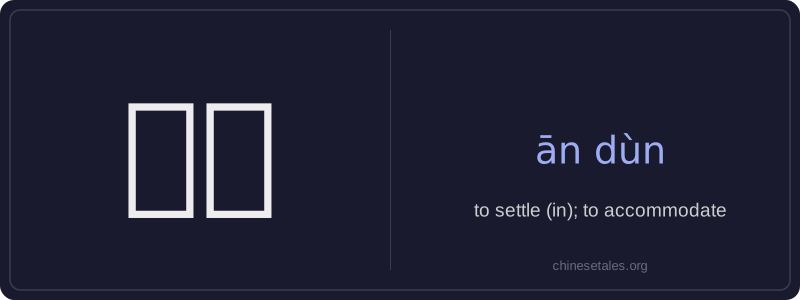
Ān dùn literally combines 安 (ān, 'peace, safety') and 顿 (dùn, 'to pause, to settle down'), conveying the idea of bringing someone or something into a stable, comfortable, and secure state. It emphasizes the process of arranging living conditions or making practical arrangements so that people—or sometimes animals or belongings—can rest or stay without worry.
This verb is commonly used when describing helping others get settled after travel, relocation, or disruption—such as moving into a new home, arriving at a destination, or recovering from hardship. It often implies care, responsibility, and attention to basic needs like shelter, food, and rest. While it can be used for objects (e.g., settling luggage), its primary use is for people or animals requiring safe, orderly accommodation.
Example Sentences
Related Words
背后
背后 literally means 'back + behind' and functions
中学
'Zhōngxué' literally combines 'zhōng' (middle)
见面
见面 literally means 'see face' — combining 见 (t
面条
‘面条’ (miàn tiáo) literally means ‘flour str
我的
我的 (wǒ de) is a possessive pronoun meaning 'my'
不对
不对 (bù duì) literally combines 不 (bù), meani
后来
Later (hòulái) is an adverb meaning 'afterwards'
在家
'Zài jiā' literally combines the preposition 'z