Word Explanation
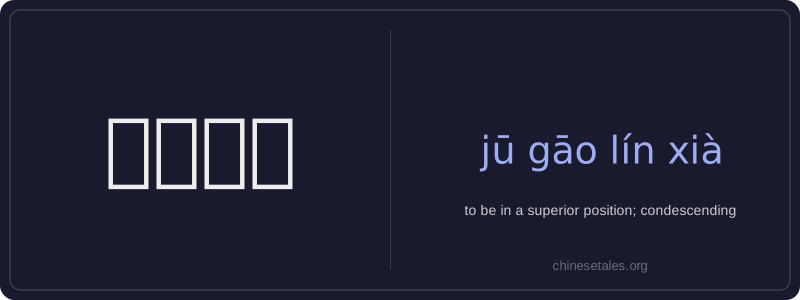
‘居高临下’ literally means ‘to dwell high and overlook the low’—it combines 居 (to reside/take a position), 高 (high/elevated), 临 (to face, overlook), and 下 (low/below). Originally describing a physical vantage point (e.g., a fortress on a hill), it now functions almost exclusively as a figurative expression indicating an attitude of superiority or condescension in interpersonal or rhetorical situations.
The phrase carries a distinctly negative connotation in modern usage: it suggests someone is speaking, judging, or acting from an unwarranted position of moral, intellectual, or social authority—without empathy or willingness to listen. It’s commonly used in criticism of leadership, teaching, media commentary, or everyday interactions where tone undermines respect. Though structurally a verb phrase, it typically modifies verbs (e.g., 说话, 看待, 批评) or functions adjectivally in predicate positions.
Example Sentences
Related Words
背后
背后 literally means 'back + behind' and functions
中学
'Zhōngxué' literally combines 'zhōng' (middle)
见面
见面 literally means 'see face' — combining 见 (t
面条
‘面条’ (miàn tiáo) literally means ‘flour str
我的
我的 (wǒ de) is a possessive pronoun meaning 'my'
不对
不对 (bù duì) literally combines 不 (bù), meani
后来
Later (hòulái) is an adverb meaning 'afterwards'
在家
'Zài jiā' literally combines the preposition 'z