Word Explanation
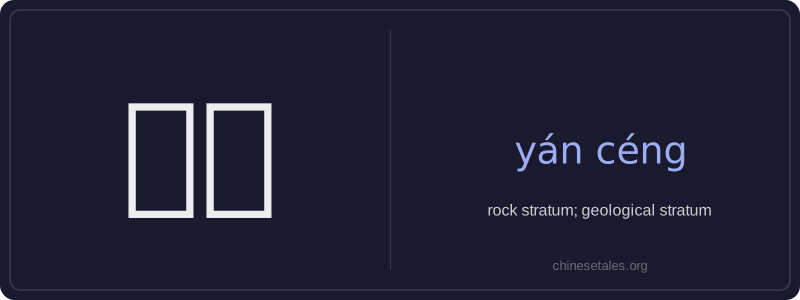
'岩层' (yán céng) literally combines 岩 (yán), meaning 'rock' or 'cliff', and 层 (céng), meaning 'layer' or 'stratum'. Together, it refers to a distinct horizontal layer of rock in the Earth's crust, formed over geological time through sedimentation, volcanic activity, or metamorphism. Geologists use this term to describe and classify rock units based on composition, age, and fossil content.
The word is common in earth science, geography, and environmental studies — for example, when discussing fossil preservation, groundwater flow, or earthquake risks. It appears in academic texts, field reports, museum exhibits, and science journalism. While not used in everyday conversation, learners may encounter it in textbooks, documentaries, or travel contexts involving mountains, canyons, or caves — places where rock layers are visibly exposed.
Example Sentences
Related Words
背后
背后 literally means 'back + behind' and functions
中学
'Zhōngxué' literally combines 'zhōng' (middle)
见面
见面 literally means 'see face' — combining 见 (t
面条
‘面条’ (miàn tiáo) literally means ‘flour str
我的
我的 (wǒ de) is a possessive pronoun meaning 'my'
不对
不对 (bù duì) literally combines 不 (bù), meani
后来
Later (hòulái) is an adverb meaning 'afterwards'
在家
'Zài jiā' literally combines the preposition 'z