Word Explanation
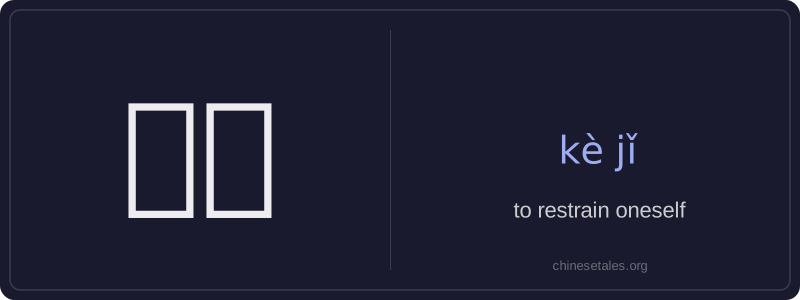
克己 (kè jǐ) literally means 'to overcome oneself' — 克 (kè) means 'to subdue, restrain, or conquer,' and 己 (jǐ) means 'oneself.' Together, the term expresses the Confucian ideal of self-discipline: consciously controlling one’s desires, impulses, or emotions to align with moral principles or social responsibilities. It emphasizes inner effort rather than external enforcement.
This word is commonly used in formal, philosophical, or ethical contexts — especially when discussing personal cultivation, leadership integrity, or moral education. While it sounds classical, it remains current in modern Chinese, appearing in speeches, essays, and advice about character development. It carries a respectful, slightly solemn tone and is rarely used in casual daily talk among friends. The concept is closely tied to virtues like humility, moderation, and responsibility — not mere suppression, but thoughtful self-regulation for higher purpose.
Example Sentences
Related Words
背后
背后 literally means 'back + behind' and functions
中学
'Zhōngxué' literally combines 'zhōng' (middle)
见面
见面 literally means 'see face' — combining 见 (t
面条
‘面条’ (miàn tiáo) literally means ‘flour str
我的
我的 (wǒ de) is a possessive pronoun meaning 'my'
不对
不对 (bù duì) literally combines 不 (bù), meani
后来
Later (hòulái) is an adverb meaning 'afterwards'
在家
'Zài jiā' literally combines the preposition 'z