Word Explanation
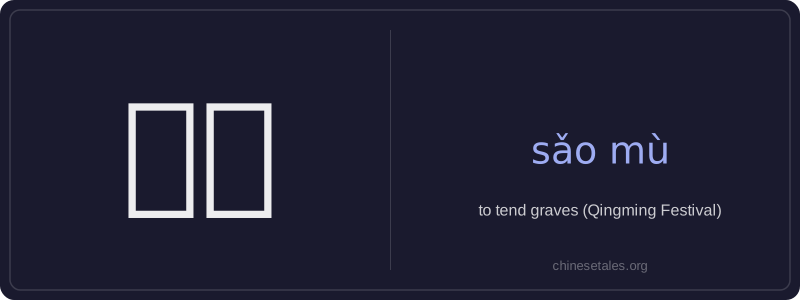
‘扫墓’ (sǎo mù) literally means ‘to sweep a grave’ — ‘扫’ (sǎo) means ‘to sweep’ or ‘to clean’, and ‘墓’ (mù) means ‘tomb’ or ‘grave’. Together, the term refers to the traditional ritual of cleaning and tending ancestors’ graves, especially during the Qingming Festival (Tomb-Sweeping Day) in early April. This practice expresses filial piety, remembrance, and respect for deceased family members.
During 扫墓, people typically remove weeds, wipe tombstones, offer food, incense, and paper money, and bow in reverence. While historically tied to Qingming, some families also perform it before other holidays like the Ghost Festival or on ancestral birthdays. The activity is deeply rooted in Chinese culture and Confucian values emphasizing ancestor veneration and familial continuity. Though the literal meaning suggests physical cleaning, the phrase now broadly encompasses the entire ceremonial visit to honor the dead.
Example Sentences
Related Words
背后
背后 literally means 'back + behind' and functions
中学
'Zhōngxué' literally combines 'zhōng' (middle)
见面
见面 literally means 'see face' — combining 见 (t
面条
‘面条’ (miàn tiáo) literally means ‘flour str
我的
我的 (wǒ de) is a possessive pronoun meaning 'my'
不对
不对 (bù duì) literally combines 不 (bù), meani
后来
Later (hòulái) is an adverb meaning 'afterwards'
在家
'Zài jiā' literally combines the preposition 'z