Word Explanation
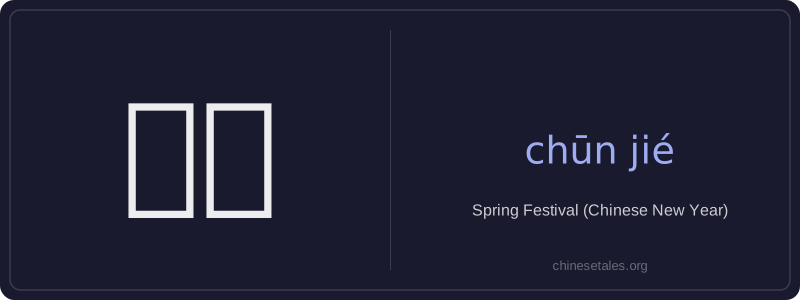
春节 (chūn jié) literally means 'Spring Festival' — 春 (chūn) means 'spring', and 节 (jié) means 'festival' or 'holiday'. It is the most important traditional holiday in Chinese culture, marking the beginning of the lunar new year. Celebrations typically last 15 days, beginning on the first day of the first lunar month and ending with the Lantern Festival.
The festival is deeply rooted in family, renewal, and auspicious symbolism: people clean homes to sweep away bad luck, reunite with relatives, give red envelopes (hóngbāo) containing money for good fortune, set off fireworks, and enjoy special foods like dumplings and nián gāo. Though often called 'Chinese New Year' in English, 春节 specifically refers to this cultural and seasonal celebration—not just the calendar date—and carries rich historical, agricultural, and spiritual significance.
Example Sentences
Related Words
背后
背后 literally means 'back + behind' and functions
中学
'Zhōngxué' literally combines 'zhōng' (middle)
见面
见面 literally means 'see face' — combining 见 (t
面条
‘面条’ (miàn tiáo) literally means ‘flour str
我的
我的 (wǒ de) is a possessive pronoun meaning 'my'
不对
不对 (bù duì) literally combines 不 (bù), meani
后来
Later (hòulái) is an adverb meaning 'afterwards'
在家
'Zài jiā' literally combines the preposition 'z