Word Explanation
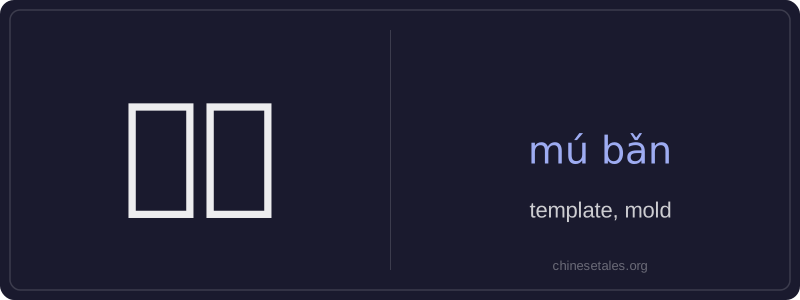
模板 (mú bǎn) literally combines 模 (mú), meaning 'model' or 'pattern', and 板 (bǎn), meaning 'board' or 'sheet'. Together, it refers to a pre-designed framework or standardized structure used as a guide for creating similar items — like a digital document layout, a website design, or even a physical mold for shaping materials. It emphasizes consistency, efficiency, and repeatability.
The word is widely used in modern contexts: software development (e.g., HTML templates), office work (e.g., report or email templates), education (lesson plan templates), and manufacturing (physical molds). While it can technically refer to a physical mold (especially in engineering or crafts), its most frequent usage today is abstract and digital. It carries a neutral, practical tone — neither formal nor colloquial — and appears commonly in both written and spoken Mandarin when discussing standardization or workflow efficiency.
Example Sentences
Related Words
背后
背后 literally means 'back + behind' and functions
不对
不对 (bù duì) literally combines 不 (bù), meani
中学
'Zhōngxué' literally combines 'zhōng' (middle)
见面
见面 literally means 'see face' — combining 见 (t
面条
‘面条’ (miàn tiáo) literally means ‘flour str
我的
我的 (wǒ de) is a possessive pronoun meaning 'my'
后来
Later (hòulái) is an adverb meaning 'afterwards'
在家
'Zài jiā' literally combines the preposition 'z