Word Explanation
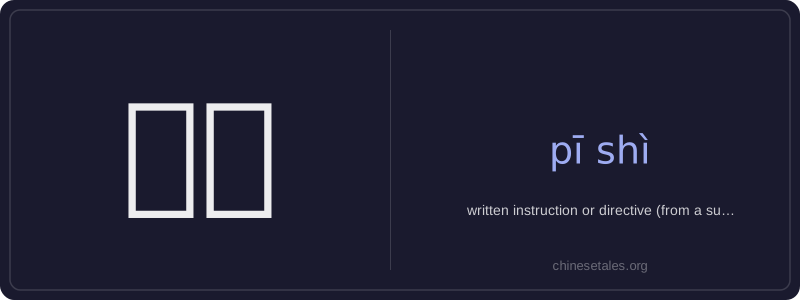
‘批示’ (pī shì) is a formal noun meaning a written instruction, directive, or official comment issued by a person in authority—such as a government official, manager, or senior executive—to guide or approve subordinate work. The character 批 (pī) means ‘to examine and comment on documents’, often with authority; 示 (shì) means ‘to show, indicate, or instruct’. Together, they convey the idea of an authoritative written response that signals approval, rejection, or guidance on a proposal, report, or request.
This term is commonly used in bureaucratic, administrative, and corporate settings in China and other Chinese-speaking regions. It implies hierarchy and formality: only superiors issue 批示, and subordinates act upon them. While it can appear in emails or digital memos today, it retains a strong connotation of officialdom and procedural weight—not used casually or among peers. It is rarely found in personal or informal contexts.
Example Sentences
Related Words
国语
‘Guó yǔ’ literally means 'national language'—
面条
‘面条’ (miàn tiáo) literally means ‘flour str
背后
背后 literally means 'back + behind' and functions
认同
‘认同’ (tóng rèn) is a verb meaning ‘to ident
无论谁
‘无论谁’ (wú lùn shéi) is a pronoun meaning
中学
'Zhōngxué' literally combines 'zhōng' (middle)
见面
见面 literally means 'see face' — combining 见 (t
外语
‘外语’ literally means ‘outside language’ —