Word Explanation
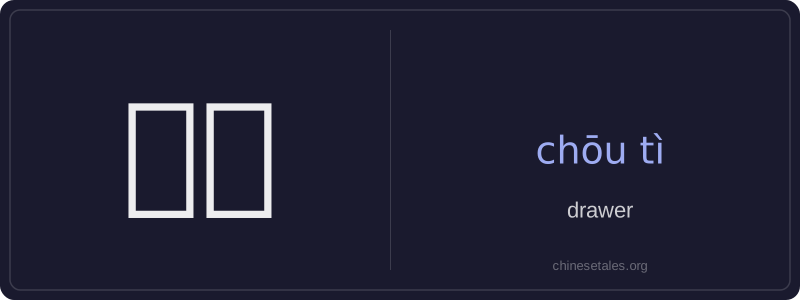
抽屉 (chōu tì) literally means 'pull-out box' — 抽 (chōu) means 'to pull' or 'to draw out', and 屉 (tì) refers to a sliding compartment, often made of wood or metal. Together, they form the standard word for 'drawer': a horizontal, rectangular storage space that slides in and out of furniture like desks, dressers, or cabinets. This compound reflects how the object functions — it must be pulled open to access its contents.
The word is used in everyday contexts involving home, office, or school furnishings. It's neutral in register and appropriate for both spoken and written Chinese. While 屉 rarely appears alone, 抽屉 is always written as a two-character compound and never separated. Drawers may be described by number ('一个抽屉'), position ('上面的抽屉'), or contents ('装书的抽屉'). It’s also commonly used metaphorically in idioms like '打开抽屉说亮话' (to speak frankly), though this is less common in beginner usage.
Example Sentences
Related Words
国语
‘Guó yǔ’ literally means 'national language'—
面条
‘面条’ (miàn tiáo) literally means ‘flour str
背后
背后 literally means 'back + behind' and functions
认同
‘认同’ (tóng rèn) is a verb meaning ‘to ident
无论谁
‘无论谁’ (wú lùn shéi) is a pronoun meaning
中学
'Zhōngxué' literally combines 'zhōng' (middle)
见面
见面 literally means 'see face' — combining 见 (t
外语
‘外语’ literally means ‘outside language’ —