Word Explanation
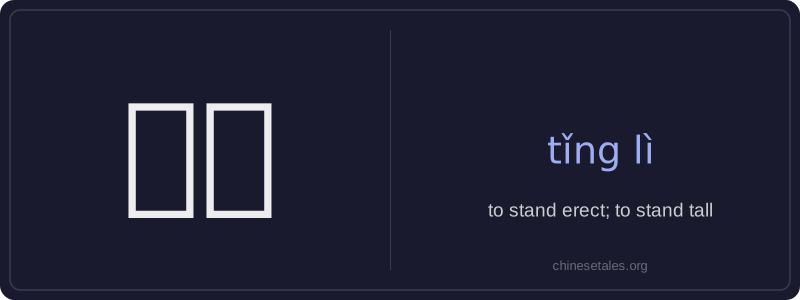
挺立 (tǐng lì) is a compound verb meaning 'to stand erect' or 'to stand tall and upright', emphasizing firmness, resilience, and dignified posture. The first character 挺 means 'to stretch out' or 'to protrude', conveying extension and strength; the second, 立, means 'to stand' or 'to be positioned upright'. Together, they form a vivid image of something rising firmly against gravity or adversity — often used for trees, soldiers, monuments, or people standing with pride and resolve.
This word carries a slightly literary or poetic tone and is common in descriptive writing, nature essays, and inspirational contexts. It’s rarely used in casual speech but appears frequently in formal descriptions of natural scenery, historical figures, or symbolic imagery — for example, pine trees挺立 on mountain cliffs or heroes挺立 before danger. Unlike simple verbs like 站 (to stand), 挺立 implies both physical uprightness and moral or emotional steadfastness.
Example Sentences
Related Words
国语
‘Guó yǔ’ literally means 'national language'—
面条
‘面条’ (miàn tiáo) literally means ‘flour str
背后
背后 literally means 'back + behind' and functions
认同
‘认同’ (tóng rèn) is a verb meaning ‘to ident
无论谁
‘无论谁’ (wú lùn shéi) is a pronoun meaning
中学
'Zhōngxué' literally combines 'zhōng' (middle)
见面
见面 literally means 'see face' — combining 见 (t
外语
‘外语’ literally means ‘outside language’ —