Word Explanation
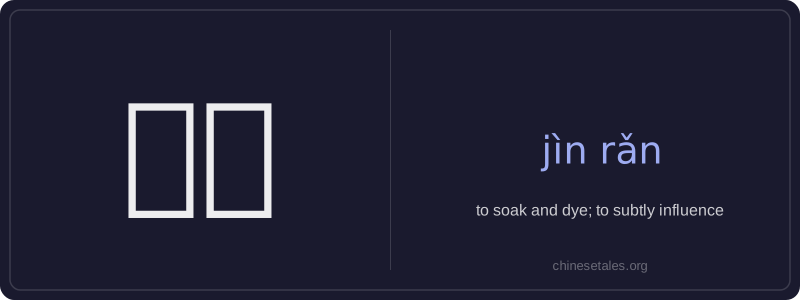
‘浸染’ literally combines ‘浸’ (to soak, immerse) and ‘染’ (to dye, stain), evoking the image of a fabric slowly absorbing color through prolonged contact. As a verb, it describes a gradual, often unconscious process—whether physical (like cloth absorbing dye) or abstract (like cultural values or emotions seeping into one’s thoughts and behavior over time). It emphasizes depth, duration, and subtle transformation rather than sudden change.
This word is commonly used in literary, academic, or reflective contexts to describe how environments, relationships, traditions, or ideologies shape identity or perspective. It carries a slightly formal or poetic tone and appears frequently in discussions about education, socialization, cultural influence, or psychological development. While rooted in a concrete process, its figurative use far outweighs its literal one in modern Chinese.
Example Sentences
Related Words
国语
‘Guó yǔ’ literally means 'national language'—
面条
‘面条’ (miàn tiáo) literally means ‘flour str
背后
背后 literally means 'back + behind' and functions
认同
‘认同’ (tóng rèn) is a verb meaning ‘to ident
无论谁
‘无论谁’ (wú lùn shéi) is a pronoun meaning
中学
'Zhōngxué' literally combines 'zhōng' (middle)
见面
见面 literally means 'see face' — combining 见 (t
外语
‘外语’ literally means ‘outside language’ —