Word Explanation
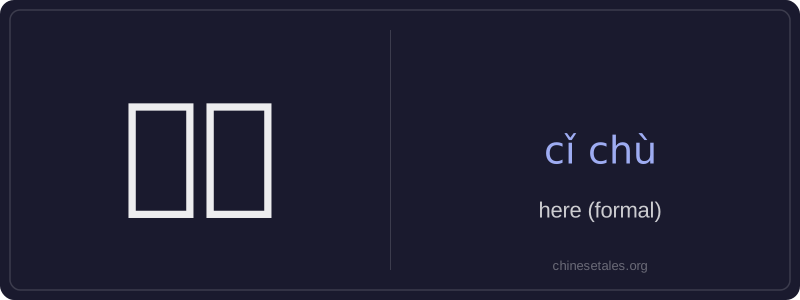
此处 is a formal, written-style adverb meaning 'here'—literally combining 此 (this) and 处 (place or location). Unlike the colloquial 这里, 此处 carries a tone of precision, objectivity, or officialness, making it common in signs, instructions, academic writing, legal documents, and public notices. It emphasizes a specific, defined spot rather than a general vicinity.
The word functions as an adverbial phrase modifying verbs (e.g., 'stand here', 'note here') or as a noun-like subject/object in formal contexts ('this place'). It rarely appears in casual speech; native speakers typically use 这里 or 这儿 instead. Its formality also means it often appears alongside other literary or bureaucratic vocabulary—such as 请、须、应, or technical terms—reinforcing its institutional register.
Example Sentences
Related Words
国语
‘Guó yǔ’ literally means 'national language'—
面条
‘面条’ (miàn tiáo) literally means ‘flour str
背后
背后 literally means 'back + behind' and functions
认同
‘认同’ (tóng rèn) is a verb meaning ‘to ident
无论谁
‘无论谁’ (wú lùn shéi) is a pronoun meaning
中学
'Zhōngxué' literally combines 'zhōng' (middle)
见面
见面 literally means 'see face' — combining 见 (t
外语
‘外语’ literally means ‘outside language’ —