Word Explanation
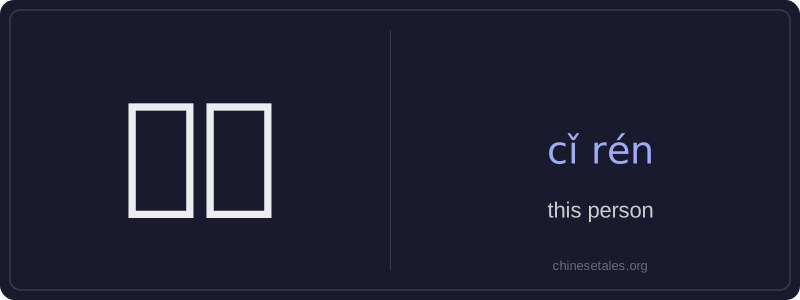
此人 literally means 'this person' — 此 (cǐ) means 'this', and 人 (rén) means 'person'. Together, they form a formal, written-style noun phrase used to refer to a specific person previously mentioned or clearly identifiable from context. It is more common in formal writing, news reports, legal documents, or academic texts than in casual speech, where people usually say 这个人 (zhè gè rén) instead.
The term carries a slightly detached or objective tone — it often appears when the speaker wants to maintain neutrality, emphasize identity without emotional involvement, or avoid repetition of a proper name. While grammatically equivalent to 'this person', 此人 is rarely used in questions or exclamations and never as a subject in everyday conversation. Its usage reflects Chinese stylistic preferences for concision and register-appropriate vocabulary in formal registers.
Example Sentences
Related Words
国语
‘Guó yǔ’ literally means 'national language'—
面条
‘面条’ (miàn tiáo) literally means ‘flour str
背后
背后 literally means 'back + behind' and functions
认同
‘认同’ (tóng rèn) is a verb meaning ‘to ident
无论谁
‘无论谁’ (wú lùn shéi) is a pronoun meaning
中学
'Zhōngxué' literally combines 'zhōng' (middle)
见面
见面 literally means 'see face' — combining 见 (t
外语
‘外语’ literally means ‘outside language’ —