Word Explanation
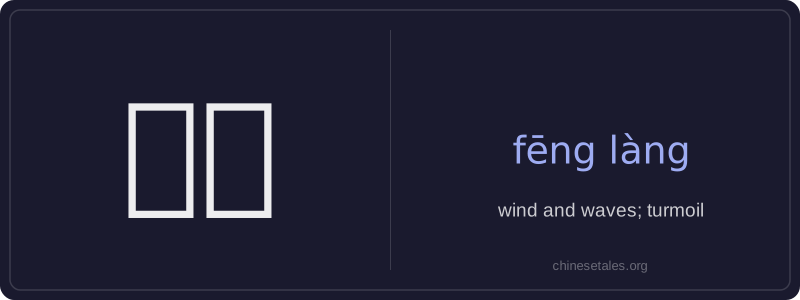
风浪 literally combines 风 (fēng, 'wind') and 浪 (làng, 'waves') to describe the physical phenomenon of strong wind stirring up rough sea waves. In everyday usage, however, it most often appears metaphorically to mean 'turmoil,' 'upheaval,' or 'difficulties'—especially in political, social, or personal contexts where stability is threatened.
The term carries a slightly literary or formal tone and is frequently used in news reports, speeches, and written commentary. It evokes imagery of instability and danger, much like a stormy sea, and is rarely used for mild disagreements or routine challenges. While it can refer to literal ocean conditions (e.g., in weather forecasts), its figurative use is far more common in modern standard Mandarin.
Example Sentences
Related Words
国语
‘Guó yǔ’ literally means 'national language'—
面条
‘面条’ (miàn tiáo) literally means ‘flour str
无论谁
‘无论谁’ (wú lùn shéi) is a pronoun meaning
背后
背后 literally means 'back + behind' and functions
外语
‘外语’ literally means ‘outside language’ —
认同
‘认同’ (tóng rèn) is a verb meaning ‘to ident
中学
'Zhōngxué' literally combines 'zhōng' (middle)
见面
见面 literally means 'see face' — combining 见 (t