Word Explanation
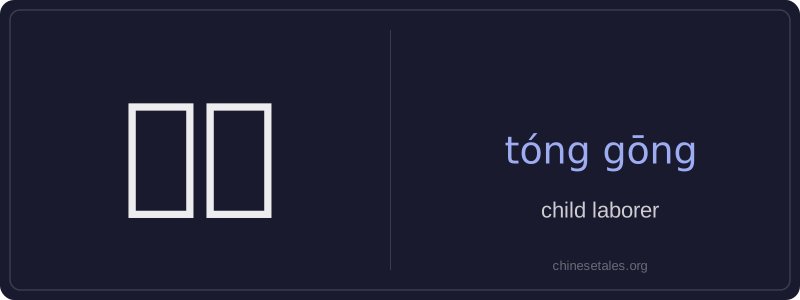
‘童工’ (tóng gōng) literally combines 童 (tóng), meaning ‘child’ or ‘youth’, and 工 (gōng), meaning ‘worker’ or ‘laborer’. Together, it specifically refers to a child who performs paid or unpaid labor, typically under the legal working age. This term carries strong negative connotations in modern Chinese society and law, as it implies exploitation, violation of children’s rights, and interference with education and healthy development.
The word is commonly used in formal contexts—such as news reports, policy documents, and human rights discussions—to highlight social problems or legal violations. It is not used for children helping with light household chores or school-related activities; rather, it denotes labor that is hazardous, excessive, or legally prohibited for minors. Awareness of this term reflects China’s strict regulations against underage employment, especially in manufacturing, agriculture, or informal sectors.
Example Sentences
Related Words
国语
‘Guó yǔ’ literally means 'national language'—
面条
‘面条’ (miàn tiáo) literally means ‘flour str
无论谁
‘无论谁’ (wú lùn shéi) is a pronoun meaning
外语
‘外语’ literally means ‘outside language’ —
认同
‘认同’ (tóng rèn) is a verb meaning ‘to ident
背后
背后 literally means 'back + behind' and functions
认为
‘认为’ (rèn wéi) is a transitive verb meaning
不对
不对 (bù duì) literally combines 不 (bù), meani