Word Explanation
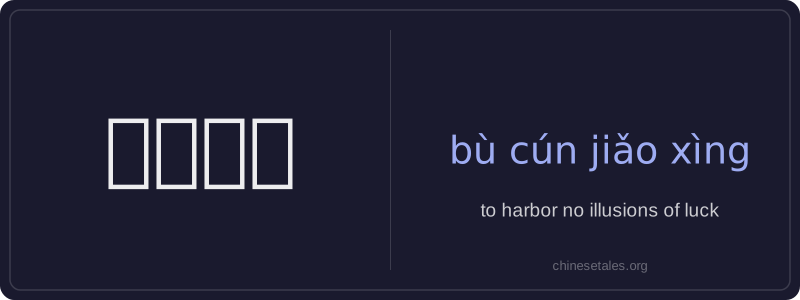
‘不存侥幸’ literally means 'not harbor or hold onto侥幸 (jiǎo xìng) — a mindset of relying on luck, chance, or an unrealistic hope of avoiding consequences or gaining undeserved advantage. The four characters combine to express a firm, sober attitude: rejecting wishful thinking and accepting reality with clarity and responsibility. ‘不’ negates; ‘存’ means 'to hold in mind' or 'to entertain'; ‘侥幸’ refers specifically to the false comfort of hoping for lucky breaks rather than preparing diligently.
This phrase is commonly used in serious contexts — education, law enforcement, workplace safety, medical ethics, or personal discipline — where recklessness or complacency could lead to harm. It conveys moral resolve and intellectual honesty, often appearing in official warnings, teacher admonitions, or self-reflection. While not colloquial in daily small talk, it’s widely understood and valued in formal Chinese discourse as a mark of maturity and integrity.
Example Sentences
Related Words
国语
‘Guó yǔ’ literally means 'national language'—
无论谁
‘无论谁’ (wú lùn shéi) is a pronoun meaning
外语
‘外语’ literally means ‘outside language’ —
不对
不对 (bù duì) literally combines 不 (bù), meani
我的
我的 (wǒ de) is a possessive pronoun meaning 'my'
违规
违规 (wéi guī) literally means 'to violate rules
亲笔
‘亲笔’ literally means ‘one’s own hand’—comb
面条
‘面条’ (miàn tiáo) literally means ‘flour str