Word Explanation
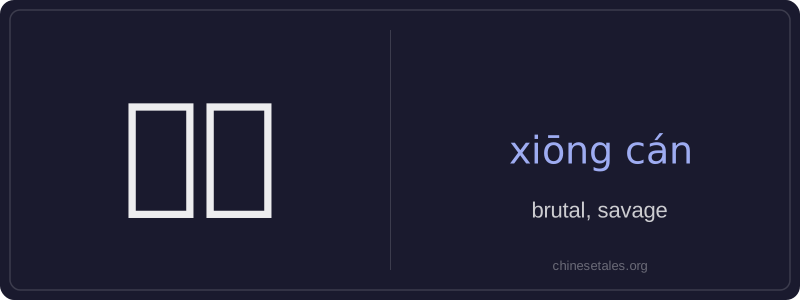
凶残 is an adjective meaning 'brutal' or 'savage', describing behavior marked by extreme cruelty and lack of mercy. The first character, 凶 (xiōng), conveys danger, ferocity, or ominous force — often associated with threatening situations or violent intent. The second character, 残 (cán), means 'cruel', 'mutilated', or 'ruthless', emphasizing harm inflicted without restraint or compassion. Together, they form a compound that intensifies both meanings, typically used to describe predators, violent criminals, or harsh natural forces.
This word carries strong negative connotations and is rarely used in neutral or polite contexts. It frequently appears in news reports about crimes, wildlife documentaries describing predatory behavior, or literary descriptions of war or chaos. While it can modify nouns directly (e.g., 凶残的野兽), it’s also common in predicate position after 是 or 很. It’s more emphatic and vivid than milder synonyms like 残忍, often implying physical violence and primal aggression.
Example Sentences
Related Words
国语
‘Guó yǔ’ literally means 'national language'—
无论谁
‘无论谁’ (wú lùn shéi) is a pronoun meaning
外语
‘外语’ literally means ‘outside language’ —
不对
不对 (bù duì) literally combines 不 (bù), meani
我的
我的 (wǒ de) is a possessive pronoun meaning 'my'
违规
违规 (wéi guī) literally means 'to violate rules
亲笔
‘亲笔’ literally means ‘one’s own hand’—comb
面条
‘面条’ (miàn tiáo) literally means ‘flour str