Word Explanation
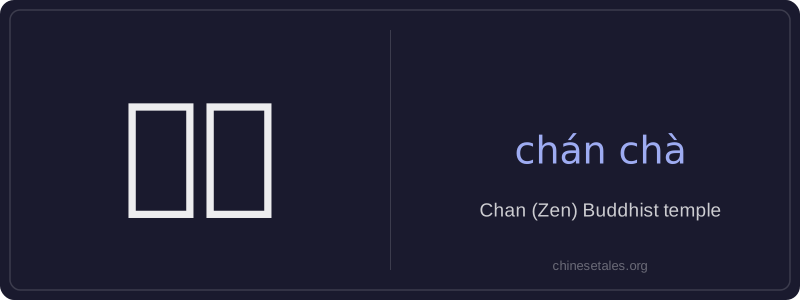
禅刹 (chán chà) is a formal, literary term for a Buddhist temple specifically associated with the Chan (Zen) school of Mahayana Buddhism. The first character, 禅 (chán), refers to meditation and the Chan tradition itself — derived from the Sanskrit 'dhyāna'. The second character, 刹 (chà), originally meant 'a moment' but in Buddhist terminology denotes a temple or monastery, especially one with stupa-like architecture. Together, 禅刹 emphasizes both the meditative practice and the sacred physical space where it is cultivated.
This word appears primarily in classical texts, historical descriptions, poetry, and formal writing about religious sites. It is rarely used in casual speech; native speakers typically say 寺庙 (sìmiào) or 禅寺 (chán sì) instead. You’ll encounter 禅刹 most often when reading about famous mountain monasteries like Shaolin or Mount Putuo, or in inscriptions on temple gates and steles.
Example Sentences
Related Words
国语
‘Guó yǔ’ literally means 'national language'—
无论谁
‘无论谁’ (wú lùn shéi) is a pronoun meaning
外语
‘外语’ literally means ‘outside language’ —
不对
不对 (bù duì) literally combines 不 (bù), meani
我的
我的 (wǒ de) is a possessive pronoun meaning 'my'
违规
违规 (wéi guī) literally means 'to violate rules
亲笔
‘亲笔’ literally means ‘one’s own hand’—comb
面条
‘面条’ (miàn tiáo) literally means ‘flour str