Word Explanation
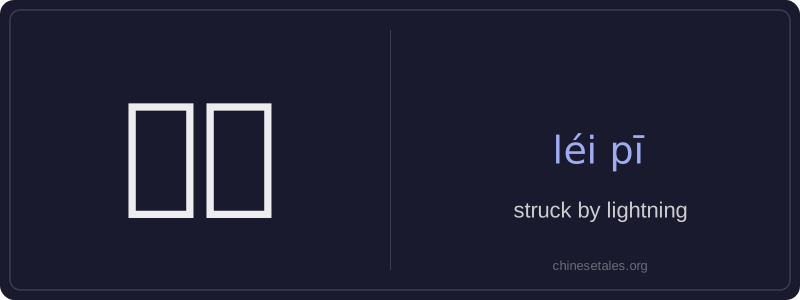
‘雷劈’ literally means 'thunder strike'—combining 雷 (léi, 'thunder/lightning') and 劈 (pī, 'to split/cleave with force'). Though it describes a physical event—being struck by lightning—it is rarely used in literal, factual reporting (e.g., weather reports or medical records). Instead, it appears predominantly in idioms, folklore, and expressive speech, often to emphasize sudden, shocking, or divinely punitive consequences.
In classical and modern Chinese literature, ‘雷劈’ carries strong moral or supernatural connotations: it’s commonly associated with heavenly retribution for grave wrongdoing, as in the idiom ‘遭雷劈’ ('struck by lightning'—figuratively, 'deserving divine punishment'). It also appears in folktales where immoral characters meet dramatic, karmic ends. While the term evokes vivid imagery, it’s not used in scientific or neutral contexts—never for describing actual lightning injuries in clinical or safety discussions.
Example Sentences
Related Words
国语
‘Guó yǔ’ literally means 'national language'—
无论谁
‘无论谁’ (wú lùn shéi) is a pronoun meaning
外语
‘外语’ literally means ‘outside language’ —
不对
不对 (bù duì) literally combines 不 (bù), meani
我的
我的 (wǒ de) is a possessive pronoun meaning 'my'
违规
违规 (wéi guī) literally means 'to violate rules
亲笔
‘亲笔’ literally means ‘one’s own hand’—comb
面条
‘面条’ (miàn tiáo) literally means ‘flour str