Word Explanation
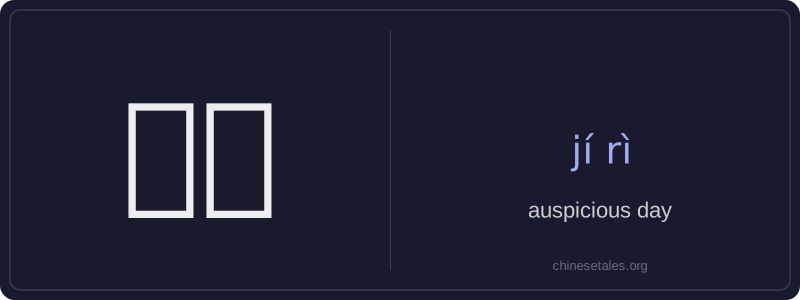
‘吉日’ literally combines ‘吉’ (jí), meaning ‘auspicious’, ‘lucky’, or ‘propitious’, and ‘日’ (rì), meaning ‘day’. Together, it refers to a day considered especially favorable—often chosen for important life events like weddings, moving into a new home, starting a business, or beginning construction. Traditional Chinese culture places great importance on selecting such days using the lunar calendar, astrology, and feng shui principles.
While modern speakers may use ‘吉日’ more loosely or even ironically, it remains common in formal invitations, ceremonial announcements, and traditional media. It carries a respectful, slightly literary tone—not used in casual daily speech like ‘good day’ in English. The term implies intentionality and cultural awareness, not just any positive day, but one deliberately selected for its perceived cosmic harmony and auspicious energy.
Example Sentences
Related Words
国语
‘Guó yǔ’ literally means 'national language'—
无论谁
‘无论谁’ (wú lùn shéi) is a pronoun meaning
外语
‘外语’ literally means ‘outside language’ —
不对
不对 (bù duì) literally combines 不 (bù), meani
我的
我的 (wǒ de) is a possessive pronoun meaning 'my'
违规
违规 (wéi guī) literally means 'to violate rules
亲笔
‘亲笔’ literally means ‘one’s own hand’—comb
面条
‘面条’ (miàn tiáo) literally means ‘flour str