Word Explanation
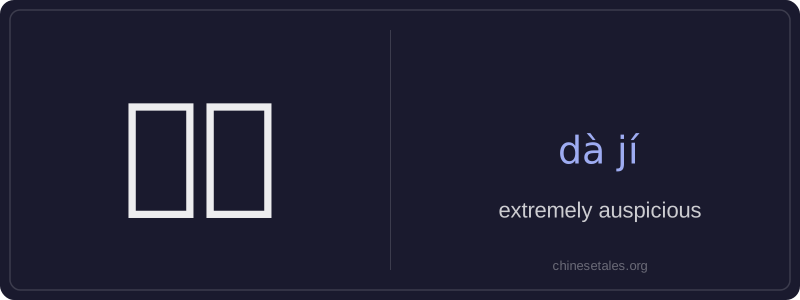
‘Dà jí’ literally means ‘great auspiciousness’ — combining 大 (dà, ‘great, big’) and 吉 (jí, ‘auspicious, lucky, propitious’). Together, they form a fixed compound expressing the highest degree of good fortune, often implying divine blessing or exceptionally favorable conditions. It conveys more than simple luck: it suggests harmony, success, safety, and positive cosmic alignment.
This term is deeply rooted in Chinese folk beliefs and traditional culture. You’ll commonly see it on red paper during Lunar New Year, on wedding decorations, or in temple inscriptions. It’s also used verbally in blessings — for example, when wishing someone a prosperous new year or safe journey. While formal and literary in tone, it remains widely understood and emotionally resonant across generations, especially in celebratory or ritual contexts where invoking profound good fortune matters most.
Example Sentences
Related Words
国语
‘Guó yǔ’ literally means 'national language'—
无论谁
‘无论谁’ (wú lùn shéi) is a pronoun meaning
外语
‘外语’ literally means ‘outside language’ —
不对
不对 (bù duì) literally combines 不 (bù), meani
我的
我的 (wǒ de) is a possessive pronoun meaning 'my'
违规
违规 (wéi guī) literally means 'to violate rules
亲笔
‘亲笔’ literally means ‘one’s own hand’—comb
面条
‘面条’ (miàn tiáo) literally means ‘flour str