Word Explanation
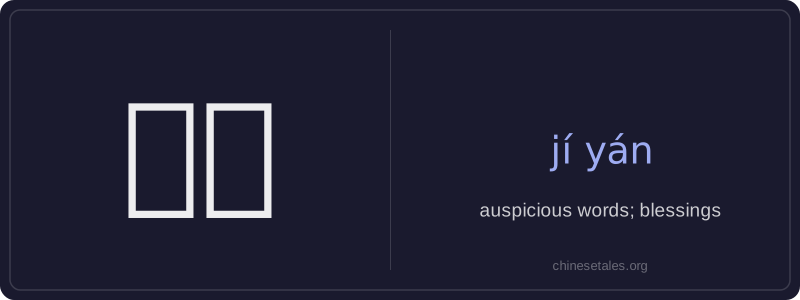
‘吉言’ literally combines ‘吉’ (jí), meaning ‘auspicious’, ‘lucky’, or ‘propitious’, and ‘言’ (yán), meaning ‘words’, ‘speech’, or ‘saying’. Together, they form a formal, literary noun meaning ‘auspicious words’—that is, blessings, good wishes, or favorable sayings offered to bring luck, health, prosperity, or harmony. It is commonly used in ceremonial contexts such as weddings, Lunar New Year celebrations, birthdays, and housewarmings.
Unlike casual greetings like ‘恭喜发财’ (gōngxǐ fācái), ‘吉言’ carries a classical, respectful tone and often appears in written inscriptions, couplets, speeches, or ritual recitations. It may also appear in idioms or poetic expressions, emphasizing sincerity and cultural weight behind the words spoken. While not everyday conversational vocabulary, learners will encounter it in traditional festivals, formal invitations, and classical texts—making it valuable for understanding Chinese values around language, intention, and auspiciousness.
Example Sentences
Related Words
国语
‘Guó yǔ’ literally means 'national language'—
无论谁
‘无论谁’ (wú lùn shéi) is a pronoun meaning
外语
‘外语’ literally means ‘outside language’ —
不对
不对 (bù duì) literally combines 不 (bù), meani
我的
我的 (wǒ de) is a possessive pronoun meaning 'my'
违规
违规 (wéi guī) literally means 'to violate rules
亲笔
‘亲笔’ literally means ‘one’s own hand’—comb
面条
‘面条’ (miàn tiáo) literally means ‘flour str