Word Explanation
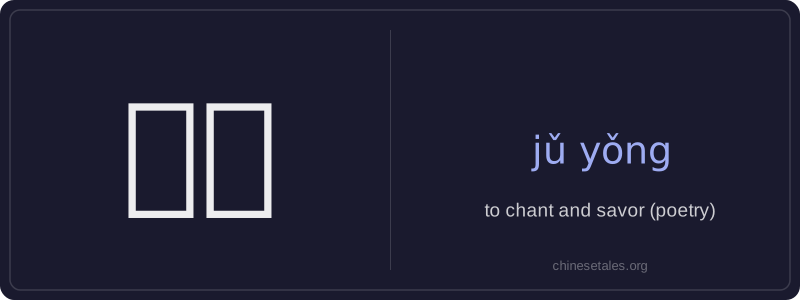
'Jǔ yǒng' literally combines 咀 (to chew, metaphorically 'to savor') and 咏 (to chant or recite poetically). Together, it describes the thoughtful, meditative act of slowly reading poetry aloud while deeply absorbing its rhythm, imagery, and emotional resonance — like 'chewing' words for their full flavor. It implies both vocalization and inward reflection, not silent reading nor casual skimming.
This term is literary and refined, often used in classical or modern literary criticism, education, and cultural commentary. It evokes quiet concentration and aesthetic appreciation, typically applied to classical Chinese poetry (e.g., Tang verse) but also extended to lyrical modern works. While not everyday conversational vocabulary, it appears in essays, teaching contexts, and arts writing to convey a deep, embodied engagement with poetic language.
Example Sentences
Related Words
国语
‘Guó yǔ’ literally means 'national language'—
无论谁
‘无论谁’ (wú lùn shéi) is a pronoun meaning
外语
‘外语’ literally means ‘outside language’ —
不对
不对 (bù duì) literally combines 不 (bù), meani
我的
我的 (wǒ de) is a possessive pronoun meaning 'my'
违规
违规 (wéi guī) literally means 'to violate rules
亲笔
‘亲笔’ literally means ‘one’s own hand’—comb
面条
‘面条’ (miàn tiáo) literally means ‘flour str