Word Explanation
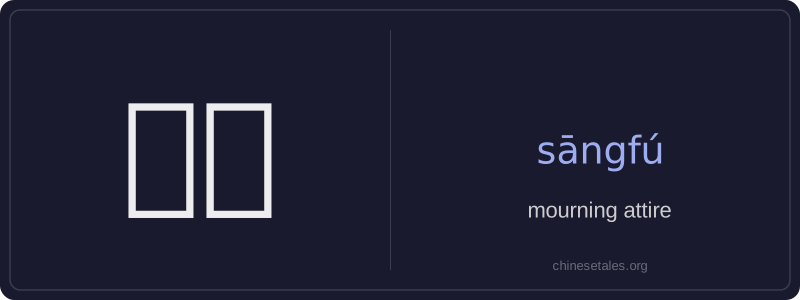
丧服 (sāngfú) literally combines 丧 (sāng), meaning 'mourning' or 'bereavement', and 服 (fú), meaning 'clothing' or 'attire'. Together, they refer specifically to traditional Chinese mourning garments worn during funerals and the mourning period following a death. Historically, the style, color (typically plain white or unbleached hemp), and duration of wearing 丧服 were strictly regulated by Confucian rites and kinship hierarchy—close relatives wore coarser, more austere garments for longer periods.
Today, while full traditional 丧服 is less common in urban areas, the term remains culturally significant and is used formally in literature, historical contexts, legal documents, and respectful discussions about funeral customs. It carries solemn, respectful connotations and is never used lightly or humorously. Understanding 丧服 helps learners grasp how Chinese culture expresses grief, filial piety, and social obligation through material practice.
Example Sentences
Related Words
国语
‘Guó yǔ’ literally means 'national language'—
无论谁
‘无论谁’ (wú lùn shéi) is a pronoun meaning
外语
‘外语’ literally means ‘outside language’ —
不对
不对 (bù duì) literally combines 不 (bù), meani
我的
我的 (wǒ de) is a possessive pronoun meaning 'my'
违规
违规 (wéi guī) literally means 'to violate rules
亲笔
‘亲笔’ literally means ‘one’s own hand’—comb
面条
‘面条’ (miàn tiáo) literally means ‘flour str