Word Explanation
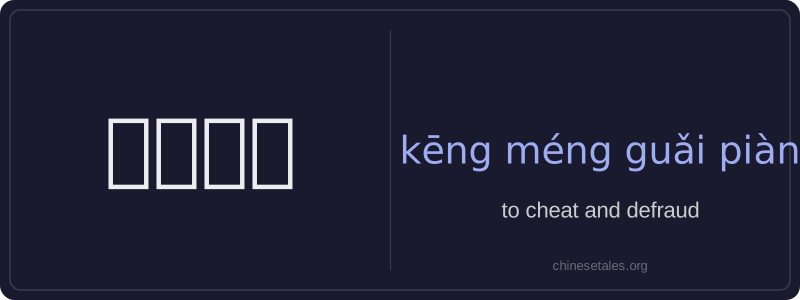
'Kēng méng guǎi piàn' is a four-character idiom that vividly describes the full spectrum of dishonest, deceptive behavior—cheating, swindling, kidnapping for ransom or exploitation, and outright fraud. Each character contributes a distinct shade of malfeasance: 坑 (kēng) means to cheat or rip off; 蒙 (méng) means to hoodwink or mislead; 拐 (guǎi) refers specifically to abducting or luring people away illegally (often for trafficking or forced labor); and 骗 (piàn) means to deceive or defraud. Together, they form a strong, colloquial expression emphasizing systematic, brazen dishonesty.
The term is commonly used in news reports, public warnings, and everyday speech to condemn unethical business practices, online scams, pyramid schemes, or exploitative labor recruitment. It carries strong negative connotations and is often employed rhetorically to express moral outrage—not as a neutral description but as a condemnation of predatory behavior.
Example Sentences
Related Words
国语
‘Guó yǔ’ literally means 'national language'—
无论谁
‘无论谁’ (wú lùn shéi) is a pronoun meaning
外语
‘外语’ literally means ‘outside language’ —
不对
不对 (bù duì) literally combines 不 (bù), meani
我的
我的 (wǒ de) is a possessive pronoun meaning 'my'
违规
违规 (wéi guī) literally means 'to violate rules
亲笔
‘亲笔’ literally means ‘one’s own hand’—comb
面条
‘面条’ (miàn tiáo) literally means ‘flour str