Word Explanation
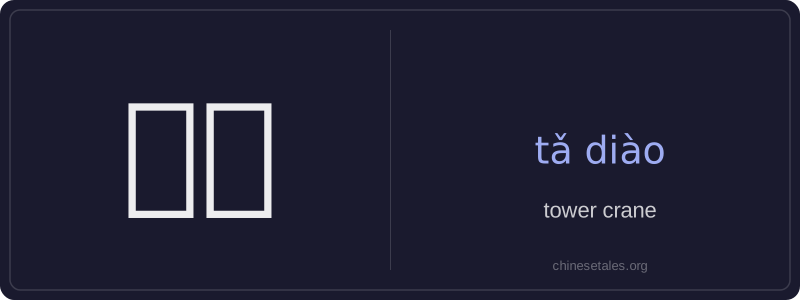
‘塔吊’ (tǎ diào) literally combines ‘塔’ (tǎ), meaning ‘tower’, and ‘吊’ (diào), meaning ‘to lift’ or ‘hoist’. Together, it refers to a tall, fixed construction crane with a long horizontal jib that rotates on a central mast — commonly seen on building sites across China and worldwide. It is essential for lifting heavy materials like steel beams, concrete panels, and prefabricated components to great heights during high-rise construction.
The term is used exclusively in engineering, architecture, and construction contexts. While ‘吊车’ (diào chē) is a general word for ‘crane’, ‘塔吊’ specifically denotes the tower-type crane — distinguished by its vertical tower structure and fixed base. It is not used metaphorically or in daily conversation outside technical or site-related discussions. The word appears frequently in safety briefings, project plans, and news reports about infrastructure development.
Example Sentences
Related Words
国语
‘Guó yǔ’ literally means 'national language'—
无论谁
‘无论谁’ (wú lùn shéi) is a pronoun meaning
外语
‘外语’ literally means ‘outside language’ —
不对
不对 (bù duì) literally combines 不 (bù), meani
我的
我的 (wǒ de) is a possessive pronoun meaning 'my'
违规
违规 (wéi guī) literally means 'to violate rules
亲笔
‘亲笔’ literally means ‘one’s own hand’—comb
面条
‘面条’ (miàn tiáo) literally means ‘flour str