Word Explanation
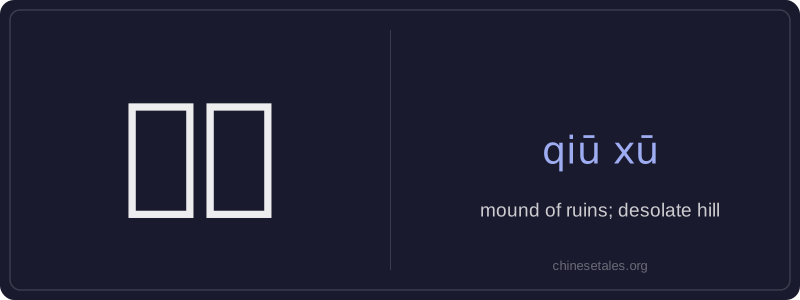
丘墟 (qiū xū) literally combines 丘 (qiū), meaning 'mound' or 'hill', and 墟 (xū), meaning 'ruins', 'abandoned settlement', or 'desolate place'. Together, they evoke a specific image: a low, weathered hill covered with crumbling remnants of human habitation — broken walls, scattered tiles, overgrown foundations — suggesting abandonment, decay, and quiet desolation. It carries poetic and literary weight, often appearing in classical poetry or modern descriptive writing to convey melancholy, historical passage, or the impermanence of civilization.
This term is not used for ordinary rubble or recent demolition sites; it implies age, natural reclamation, and a sense of solemn stillness. You’ll encounter it more frequently in literature, historical descriptions, or travel writing about ancient battlefields, forgotten temples, or eroded archaeological sites than in everyday speech. Its tone is formal and evocative, rarely neutral or colloquial.
Example Sentences
Related Words
国语
‘Guó yǔ’ literally means 'national language'—
无论谁
‘无论谁’ (wú lùn shéi) is a pronoun meaning
外语
‘外语’ literally means ‘outside language’ —
不对
不对 (bù duì) literally combines 不 (bù), meani
我的
我的 (wǒ de) is a possessive pronoun meaning 'my'
违规
违规 (wéi guī) literally means 'to violate rules
亲笔
‘亲笔’ literally means ‘one’s own hand’—comb
面条
‘面条’ (miàn tiáo) literally means ‘flour str