Word Explanation
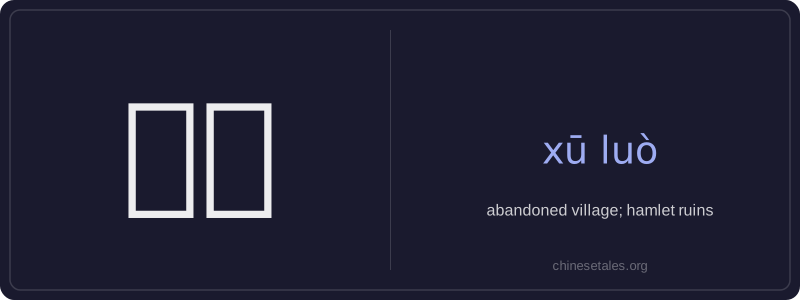
墟落 (xū luò) is a literary and somewhat poetic noun meaning 'abandoned village' or 'ruined hamlet' — a small rural settlement that has been deserted, often due to migration, economic decline, or natural disaster. The character 墟 (xū) originally referred to a market held at regular intervals in ancient times, but in this compound it evokes emptiness, decay, and desolation; 落 (luò) means 'to fall' or 'to settle', and here suggests decline, abandonment, or the fading of human presence. Together, they convey a strong sense of quiet desolation and historical layering.
This term appears frequently in modern Chinese literature, travel writing, and documentary narratives about rural depopulation. It carries emotional weight — nostalgia, melancholy, or reflection on social change — and is rarely used in casual speech. You’ll encounter it more often in written descriptions of remote mountainous or coastal areas where villages have been left behind by younger generations moving to cities.
Example Sentences
Related Words
国语
‘Guó yǔ’ literally means 'national language'—
无论谁
‘无论谁’ (wú lùn shéi) is a pronoun meaning
外语
‘外语’ literally means ‘outside language’ —
不对
不对 (bù duì) literally combines 不 (bù), meani
我的
我的 (wǒ de) is a possessive pronoun meaning 'my'
违规
违规 (wéi guī) literally means 'to violate rules
亲笔
‘亲笔’ literally means ‘one’s own hand’—comb
面条
‘面条’ (miàn tiáo) literally means ‘flour str