Word Explanation
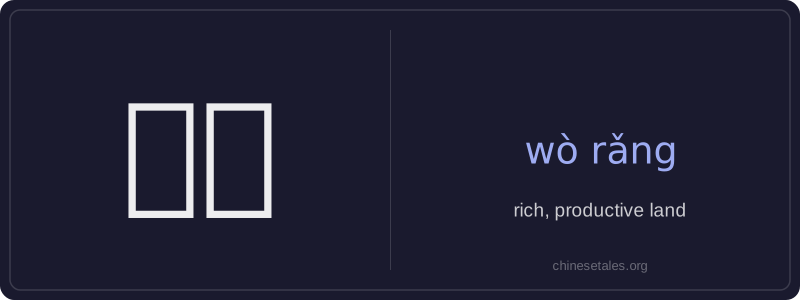
沃壤 (wò rǎng) literally combines 沃 (wò), meaning 'fertile' or 'lush', and 壤 (rǎng), meaning 'soil' or 'land'. Together, they form a literary, formal term for rich, highly productive land—especially soil abundant in nutrients and moisture, ideal for agriculture. Unlike everyday words like 肥沃的土地 (féiwò de tǔdì), 沃壤 carries a poetic or classical tone and appears frequently in historical texts, geographical descriptions, and formal writing.
This word evokes images of bountiful farmland—think river valleys like the Yellow River basin or the Yangtze Delta—where generations have cultivated crops thanks to naturally fertile earth. It is rarely used in casual speech or modern news headlines but remains common in essays, geography textbooks, and environmental discussions about sustainable land use. The term often implies not just physical fertility but also cultural and economic significance, symbolizing prosperity and stability rooted in the land.
Example Sentences
Related Words
国语
‘Guó yǔ’ literally means 'national language'—
无论谁
‘无论谁’ (wú lùn shéi) is a pronoun meaning
外语
‘外语’ literally means ‘outside language’ —
不对
不对 (bù duì) literally combines 不 (bù), meani
我的
我的 (wǒ de) is a possessive pronoun meaning 'my'
违规
违规 (wéi guī) literally means 'to violate rules
亲笔
‘亲笔’ literally means ‘one’s own hand’—comb
面条
‘面条’ (miàn tiáo) literally means ‘flour str