Word Explanation
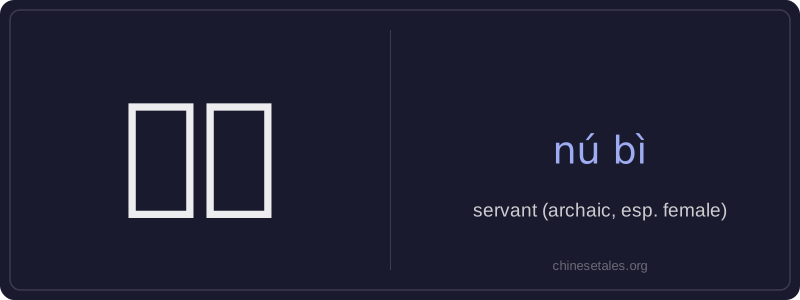
‘奴婢’ (nú bì) is an archaic compound noun referring to a servant or domestic slave, especially a female one, in pre-modern Chinese society. The first character 奴 (nú) means ‘slave’ or ‘male servant’, often implying loss of personal freedom and low social status; the second character 婢 (bì) specifically denotes a female servant or maid, typically serving in wealthy households. Together, they form a gender-neutral but historically female-associated term emphasizing subordination and servitude.
This word appears almost exclusively in historical texts, classical literature, period dramas, or formal discussions of feudal social structures. It carries strong connotations of inequality, coercion, and outdated class hierarchy—and is never used in modern daily speech to refer to contemporary domestic workers. Because of its heavy historical and ethical weight, it is inappropriate in casual or respectful modern contexts.
Example Sentences
Related Words
国语
‘Guó yǔ’ literally means 'national language'—
无论谁
‘无论谁’ (wú lùn shéi) is a pronoun meaning
外语
‘外语’ literally means ‘outside language’ —
不对
不对 (bù duì) literally combines 不 (bù), meani
我的
我的 (wǒ de) is a possessive pronoun meaning 'my'
违规
违规 (wéi guī) literally means 'to violate rules
亲笔
‘亲笔’ literally means ‘one’s own hand’—comb
面条
‘面条’ (miàn tiáo) literally means ‘flour str