Word Explanation
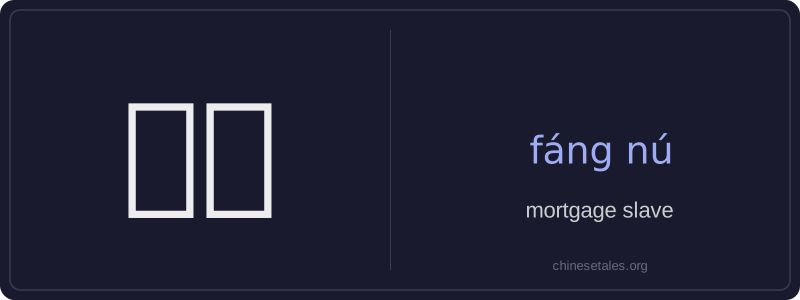
'Fáng nú' (mortgage slave) is a colloquial, slightly ironic Chinese compound noun formed from 房 (fáng, 'house' or 'apartment') and 奴 (nú, 'slave'). It refers to people—often urban white-collar workers—who are financially overburdened by long-term housing loans, spending a large portion of their income on mortgage payments for many years. The term highlights the loss of financial freedom and lifestyle flexibility caused by heavy debt obligations tied to home ownership.
This expression emerged in the early 2000s amid rapidly rising property prices in major Chinese cities. It carries social commentary, reflecting concerns about housing affordability, intergenerational wealth gaps, and the pressure to own property as a social expectation. While not formal or clinical, it's widely understood in media, online discussions, and everyday conversation among young professionals discussing economic stress.
Example Sentences
Related Words
国语
‘Guó yǔ’ literally means 'national language'—
无论谁
‘无论谁’ (wú lùn shéi) is a pronoun meaning
外语
‘外语’ literally means ‘outside language’ —
不对
不对 (bù duì) literally combines 不 (bù), meani
我的
我的 (wǒ de) is a possessive pronoun meaning 'my'
违规
违规 (wéi guī) literally means 'to violate rules
亲笔
‘亲笔’ literally means ‘one’s own hand’—comb
面条
‘面条’ (miàn tiáo) literally means ‘flour str