Word Explanation
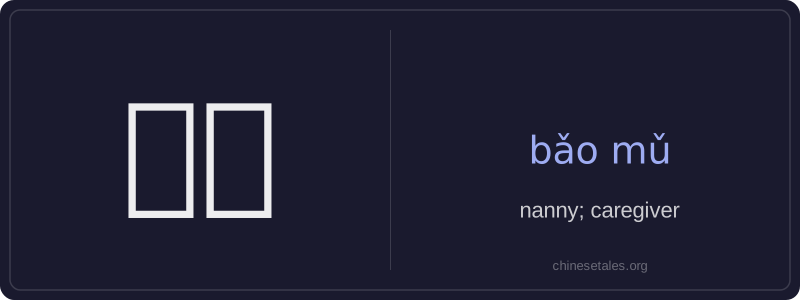
'Bǎo mǔ' literally combines 'bǎo' (to protect, safeguard) and 'mǔ' (mother, or a woman who cares for children), conveying the core idea of a professional caregiver—especially one hired to look after young children or elderly family members in a home setting. While it can refer broadly to any domestic caregiver, in modern usage it most commonly means a live-in or part-time nanny, often with training in childcare, first aid, or early education.
The term carries neutral-to-positive connotations but may imply formality or employment status—unlike 'nǎi nai' (grandmother) or 'mā ma' (mom), which denote family relationships. It is not used for pets or animals, nor for medical professionals like nurses ('hù shì'), though overlap can occur in elder care contexts. The word appears frequently in discussions about family life, work-life balance, hiring practices, and urban middle-class lifestyles in China.
Example Sentences
Related Words
国语
‘Guó yǔ’ literally means 'national language'—
无论谁
‘无论谁’ (wú lùn shéi) is a pronoun meaning
外语
‘外语’ literally means ‘outside language’ —
不对
不对 (bù duì) literally combines 不 (bù), meani
我的
我的 (wǒ de) is a possessive pronoun meaning 'my'
违规
违规 (wéi guī) literally means 'to violate rules
亲笔
‘亲笔’ literally means ‘one’s own hand’—comb
面条
‘面条’ (miàn tiáo) literally means ‘flour str