Word Explanation
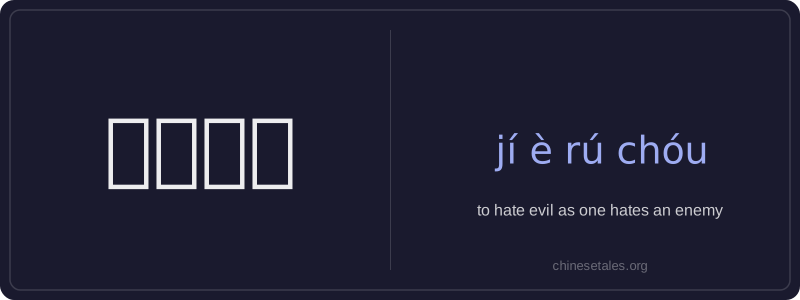
嫉恶如仇 literally means 'to hate evil as one hates an enemy.' It describes a strong, uncompromising moral stance — someone who feels intense revulsion toward injustice, wrongdoing, or immorality, reacting with the same vigor and determination as if confronting a personal enemy. The four characters combine meaningfully: 嫉 (to detest), 恶 (evil or wickedness), 如 (as, like), and 仇 (enemy or foe). This idiom emphasizes not just disapproval, but active, principled opposition.
It’s commonly used to praise upright, courageous individuals — such as honest officials, whistleblowers, or activists — whose integrity drives them to confront corruption or abuse. Though vivid and powerful, it carries a formal, literary tone and appears most often in written Chinese, historical narratives, or moral commentary rather than casual speech. It reflects Confucian ideals of righteousness (义) and moral courage, and is sometimes associated with chivalric or heroic figures in classical literature.
Example Sentences
Related Words
国语
‘Guó yǔ’ literally means 'national language'—
无论谁
‘无论谁’ (wú lùn shéi) is a pronoun meaning
外语
‘外语’ literally means ‘outside language’ —
不对
不对 (bù duì) literally combines 不 (bù), meani
我的
我的 (wǒ de) is a possessive pronoun meaning 'my'
违规
违规 (wéi guī) literally means 'to violate rules
亲笔
‘亲笔’ literally means ‘one’s own hand’—comb
面条
‘面条’ (miàn tiáo) literally means ‘flour str