Word Explanation
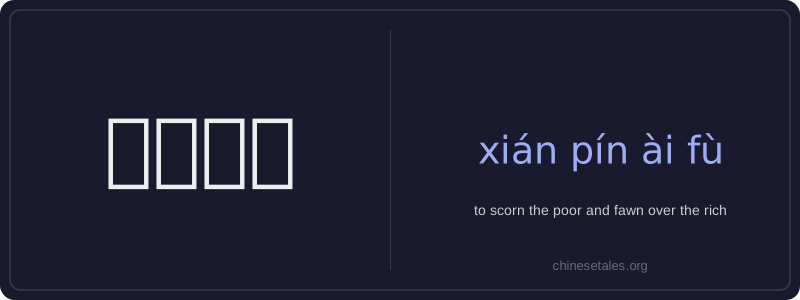
'嫌贫爱富' is a four-character idiom describing a person’s biased, morally questionable attitude: disdainfully rejecting those who are poor while eagerly favoring or flattering those who are wealthy. Literally, 嫌 means 'to dislike or shun', 贫 means 'poor' (in wealth or status), 爱 means 'to love or favor', and 富 means 'rich'. Together, the phrase vividly captures hypocrisy rooted in materialism — judging people solely by their financial standing rather than character or merit.
This idiom is commonly used in social criticism, literature, and everyday commentary to condemn superficiality, class prejudice, or opportunistic behavior. It often appears in discussions about marriage choices, workplace dynamics, or family conflicts where economic status unfairly influences relationships. Though descriptive, it carries strong negative connotation and implies moral failure — not mere preference, but active contempt toward the less affluent and obsequiousness toward the wealthy.
Example Sentences
Related Words
国语
‘Guó yǔ’ literally means 'national language'—
无论谁
‘无论谁’ (wú lùn shéi) is a pronoun meaning
外语
‘外语’ literally means ‘outside language’ —
我的
我的 (wǒ de) is a possessive pronoun meaning 'my'
不对
不对 (bù duì) literally combines 不 (bù), meani
违规
违规 (wéi guī) literally means 'to violate rules
亲笔
‘亲笔’ literally means ‘one’s own hand’—comb
面条
‘面条’ (miàn tiáo) literally means ‘flour str