Word Explanation
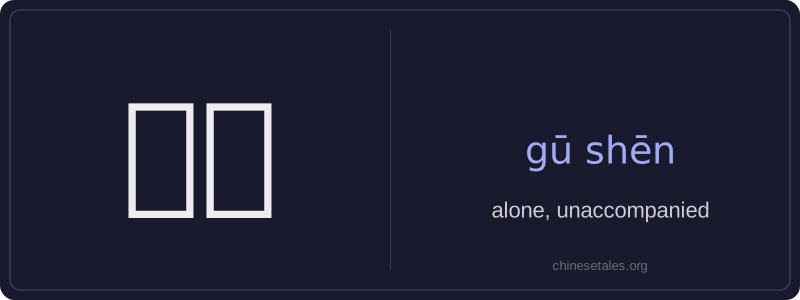
孤身 literally combines 孤 (gū), meaning 'orphaned', 'lonely', or 'alone', and 身 (shēn), meaning 'body' or 'person'. Together, they form a compound adjective meaning 'alone' or 'unaccompanied', emphasizing the physical and emotional state of being without others—especially in situations where companionship or support is expected or needed. It carries a subtle connotation of vulnerability or quiet solemnity, not merely neutrality like 独自.
This word is commonly used in written Chinese and formal speech—for instance, describing someone traveling, working, or facing hardship without family or friends nearby. It often appears in literary, journalistic, or reflective contexts rather than casual conversation. While it can describe physical solitude, it frequently implies emotional isolation or resilience in adversity, making it richer than simple synonyms like 单独 or 独自.
Example Sentences
Related Words
国语
‘Guó yǔ’ literally means 'national language'—
无论谁
‘无论谁’ (wú lùn shéi) is a pronoun meaning
外语
‘外语’ literally means ‘outside language’ —
我的
我的 (wǒ de) is a possessive pronoun meaning 'my'
不对
不对 (bù duì) literally combines 不 (bù), meani
违规
违规 (wéi guī) literally means 'to violate rules
亲笔
‘亲笔’ literally means ‘one’s own hand’—comb
面条
‘面条’ (miàn tiáo) literally means ‘flour str