Word Explanation
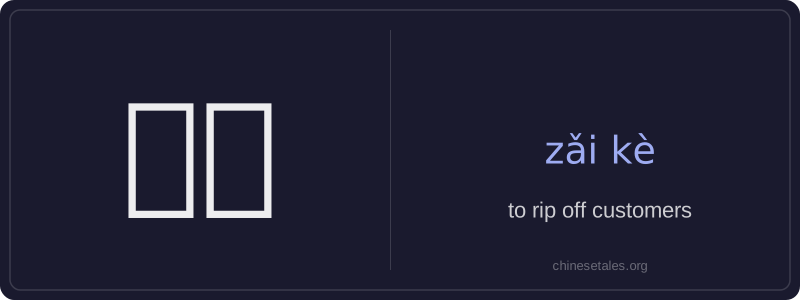
"宰客" literally combines 宰 (zǎi), meaning 'to slaughter'—originally used for animals like pigs or chickens—and 客 (kè), meaning 'customer' or 'guest'. This vivid metaphor evokes the image of a merchant treating customers like livestock to be slaughtered: i.e., overcharging, deceiving, or exploiting them financially. It’s a colloquial, slightly humorous but strongly negative term widely used in spoken and informal written Chinese.
The phrase is most common in contexts involving tourism, street markets, taxis, or small vendors where prices are unregulated or bargaining is expected. It carries moral disapproval and implies unfairness rather than mere high pricing—it suggests intentional deception or abuse of a customer’s lack of local knowledge or urgency. While not formal, it appears frequently in news reports about consumer rights violations and online reviews warning others about dishonest businesses.
Example Sentences
Related Words
国语
‘Guó yǔ’ literally means 'national language'—
无论谁
‘无论谁’ (wú lùn shéi) is a pronoun meaning
外语
‘外语’ literally means ‘outside language’ —
我的
我的 (wǒ de) is a possessive pronoun meaning 'my'
不对
不对 (bù duì) literally combines 不 (bù), meani
违规
违规 (wéi guī) literally means 'to violate rules
亲笔
‘亲笔’ literally means ‘one’s own hand’—comb
面条
‘面条’ (miàn tiáo) literally means ‘flour str