Word Explanation
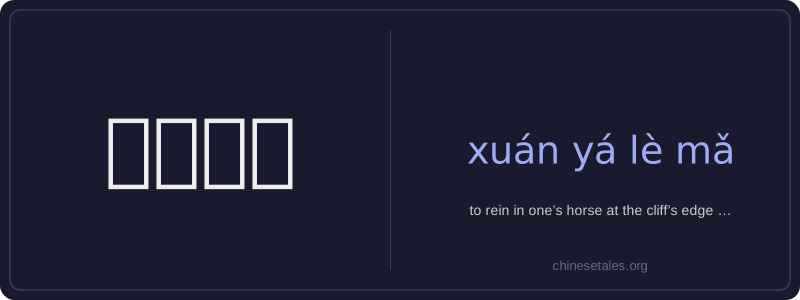
‘悬崖勒马’ is a vivid four-character idiom that literally means ‘reining in one’s horse at the edge of a cliff.’ It evokes an urgent, life-or-death moment—just before falling off a precipice—where immediate action prevents disaster. Each character contributes to this image: 悬 (‘suspended,’ suggesting danger), 崖 (‘cliff,’ the perilous edge), 勒 (‘to rein in,’ indicating decisive control), and 马 (‘horse,’ the vehicle needing restraint). Together, they form a metaphor for stopping a harmful course of action just in time.
This idiom is used almost exclusively in figurative contexts—never about actual horses or cliffs—and typically describes moral, behavioral, or strategic turning points. It often appears in advice, warnings, or reflective commentary, especially when someone abandons a reckless path (e.g., gambling, dishonesty, or unhealthy habits) before irreversible consequences occur. Its tone is serious and admonitory, carrying weight and urgency.
Example Sentences
Related Words
国语
‘Guó yǔ’ literally means 'national language'—
无论谁
‘无论谁’ (wú lùn shéi) is a pronoun meaning
外语
‘外语’ literally means ‘outside language’ —
我的
我的 (wǒ de) is a possessive pronoun meaning 'my'
不对
不对 (bù duì) literally combines 不 (bù), meani
违规
违规 (wéi guī) literally means 'to violate rules
亲笔
‘亲笔’ literally means ‘one’s own hand’—comb
面条
‘面条’ (miàn tiáo) literally means ‘flour str