Word Explanation
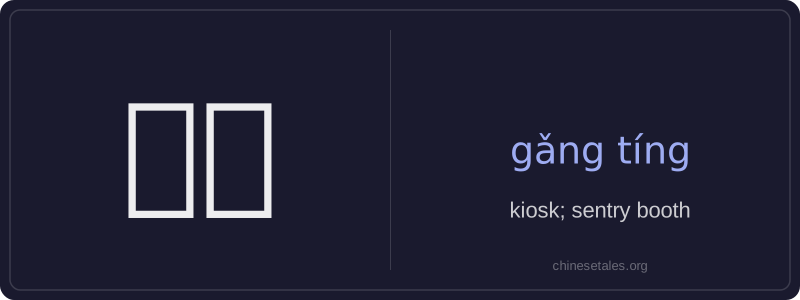
'岗亭' (gǎng tíng) is a compound noun formed from 岗 (gǎng), meaning 'post', 'station', or 'duty post', and 亭 (tíng), meaning 'pavilion' or 'kiosk'. Together, they refer to a small, often prefabricated structure used for on-site monitoring or service — typically found at building entrances, construction sites, traffic intersections, or security checkpoints. It usually houses one or two people performing duties like guarding, ticketing, or information provision.
While 'kiosk' captures its physical form in commercial settings (e.g., a coffee kiosk), 'sentry booth' emphasizes its traditional security function — especially in military, police, or gated residential contexts. The term carries a neutral-to-formal register and appears frequently in urban infrastructure descriptions, property management documents, and public safety signage.
Example Sentences
Related Words
国语
‘Guó yǔ’ literally means 'national language'—
无论谁
‘无论谁’ (wú lùn shéi) is a pronoun meaning
外语
‘外语’ literally means ‘outside language’ —
我的
我的 (wǒ de) is a possessive pronoun meaning 'my'
不对
不对 (bù duì) literally combines 不 (bù), meani
违规
违规 (wéi guī) literally means 'to violate rules
亲笔
‘亲笔’ literally means ‘one’s own hand’—comb
面条
‘面条’ (miàn tiáo) literally means ‘flour str