Word Explanation
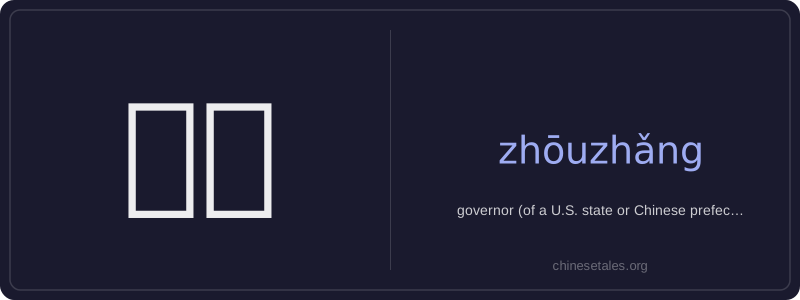
'州长' (zhōuzhǎng) literally combines '州' (zhōu), meaning 'state' or 'prefecture', and '长' (zhǎng), meaning 'head' or 'leader'. Together, it denotes the highest elected official of a U.S. state or, historically and administratively in China, the head of a prefecture-level division (though modern Chinese provincial leaders are usually called 省长). In contemporary English-language contexts, it most commonly refers to a U.S. state governor.
The term carries formal, political weight and is used in news, official documents, and academic discussions. It is not used for city mayors or national leaders — those are 市长 (shìzhǎng) and 总统 (zǒngtǒng), respectively. While '州' originally referred to ancient Chinese administrative regions, today '州长' is overwhelmingly associated with American governance in everyday usage, especially in media and bilingual settings.
Example Sentences
Related Words
国语
‘Guó yǔ’ literally means 'national language'—
无论谁
‘无论谁’ (wú lùn shéi) is a pronoun meaning
外语
‘外语’ literally means ‘outside language’ —
我的
我的 (wǒ de) is a possessive pronoun meaning 'my'
不对
不对 (bù duì) literally combines 不 (bù), meani
违规
违规 (wéi guī) literally means 'to violate rules
亲笔
‘亲笔’ literally means ‘one’s own hand’—comb
面条
‘面条’ (miàn tiáo) literally means ‘flour str