Word Explanation
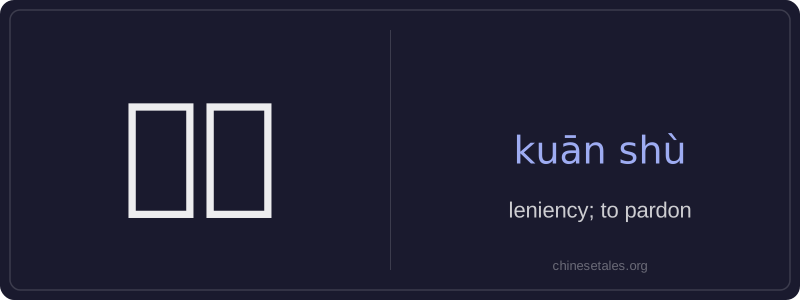
寬恕 (kuān shù) means 'leniency' or 'to pardon' — the act of forgiving someone for a wrongdoing, often when one has the power or right to punish. The character 寬 (kuān) means 'broad', 'generous', or 'tolerant', suggesting openness and lack of rigidity; 恕 (shù) means 'forgiveness' or 'empathy', rooted in the Confucian ideal of 'reciprocity' — treating others as one would wish to be treated. Together, they convey a deep, morally grounded forgiveness that goes beyond mere tolerance.
This word is commonly used in formal, moral, or emotional contexts — such as religious teachings, legal discussions about clemency, or personal appeals for mercy. It carries a solemn, respectful tone and implies sincerity, humility, and moral weight. Unlike casual words like 原諒 (yuán liàng), 寬恕 suggests a more deliberate, compassionate release from blame or consequence, often after serious offense.
Example Sentences
Related Words
国语
‘Guó yǔ’ literally means 'national language'—
无论谁
‘无论谁’ (wú lùn shéi) is a pronoun meaning
不对
不对 (bù duì) literally combines 不 (bù), meani
外语
‘外语’ literally means ‘outside language’ —
我的
我的 (wǒ de) is a possessive pronoun meaning 'my'
亲笔
‘亲笔’ literally means ‘one’s own hand’—comb
违规
违规 (wéi guī) literally means 'to violate rules
面条
‘面条’ (miàn tiáo) literally means ‘flour str