Word Explanation
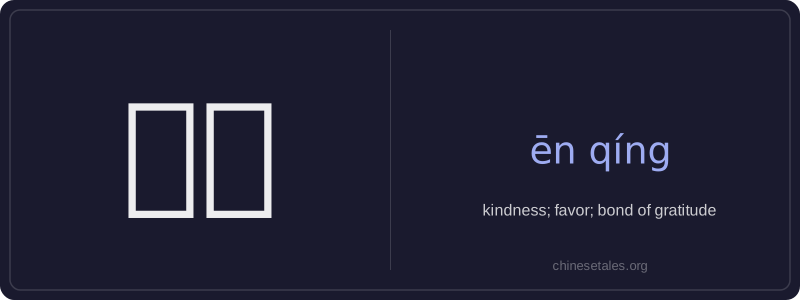
恩情 (ēn qíng) is a formal, literary noun meaning 'kindness received' or 'a bond of gratitude' — the deep emotional tie formed when someone does you a significant favor or shows profound care. The character 恩 (ēn) means 'favor', 'benevolence', or 'grace', often implying moral weight and unrepayable generosity; 情 (qíng) means 'feeling', 'emotion', or 'affection'. Together, they convey not just the act of kindness itself, but the heartfelt, lasting gratitude it inspires — especially in contexts of loyalty, filial piety, or lifelong debt to mentors, parents, or benefactors.
This word appears frequently in classical literature, historical dramas, and formal speeches, where it evokes solemn respect and moral obligation. It is rarely used in casual conversation — saying '谢谢你的恩情' would sound overly dramatic or even archaic in daily life. Instead, it carries poetic gravity, often paired with verbs like 报答 (bào dá, 'to repay'), 铭记 (míng jì, 'to engrave in memory'), or 忘不了 (wàng bu liǎo, 'can never forget').
Example Sentences
Related Words
国语
‘Guó yǔ’ literally means 'national language'—
无论谁
‘无论谁’ (wú lùn shéi) is a pronoun meaning
不对
不对 (bù duì) literally combines 不 (bù), meani
外语
‘外语’ literally means ‘outside language’ —
我的
我的 (wǒ de) is a possessive pronoun meaning 'my'
亲笔
‘亲笔’ literally means ‘one’s own hand’—comb
违规
违规 (wéi guī) literally means 'to violate rules
面条
‘面条’ (miàn tiáo) literally means ‘flour str