Word Explanation
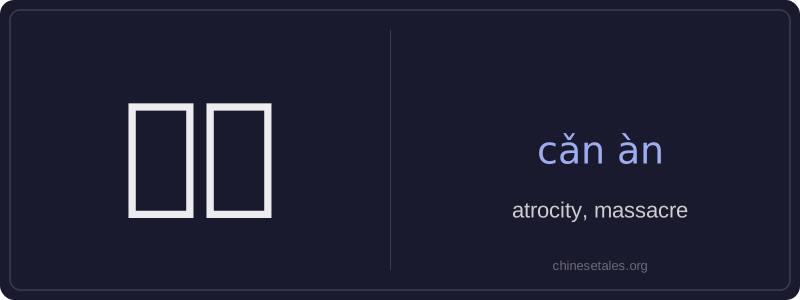
‘惨案’ literally combines ‘惨’ (cǎn), meaning ‘tragic,’ ‘horrifying,’ or ‘dreadful,’ and ‘案’ (àn), meaning ‘case’ or ‘incident.’ Together, it refers to a particularly brutal, shocking, or large-scale violent event—especially one involving loss of innocent life. It carries strong emotional weight and moral condemnation, often used in historical, journalistic, or legal contexts to describe massacres, atrocities, or other grave human rights violations.
The term is formal and solemn, rarely used for minor accidents or personal misfortunes. It implies systemic cruelty, injustice, or failure of protection, and frequently appears in discussions of wartime violence, political repression, or social tragedies. While ‘案’ alone can refer to neutral cases (e.g., criminal cases), adding ‘惨’ transforms the word into a deeply emotive label that signals moral outrage and collective grief. It is not used for natural disasters unless human negligence or malice significantly contributed to the scale of suffering.
Example Sentences
Related Words
国语
‘Guó yǔ’ literally means 'national language'—
无论谁
‘无论谁’ (wú lùn shéi) is a pronoun meaning
不对
不对 (bù duì) literally combines 不 (bù), meani
外语
‘外语’ literally means ‘outside language’ —
违规
违规 (wéi guī) literally means 'to violate rules
我的
我的 (wǒ de) is a possessive pronoun meaning 'my'
亲笔
‘亲笔’ literally means ‘one’s own hand’—comb
面条
‘面条’ (miàn tiáo) literally means ‘flour str