Word Explanation
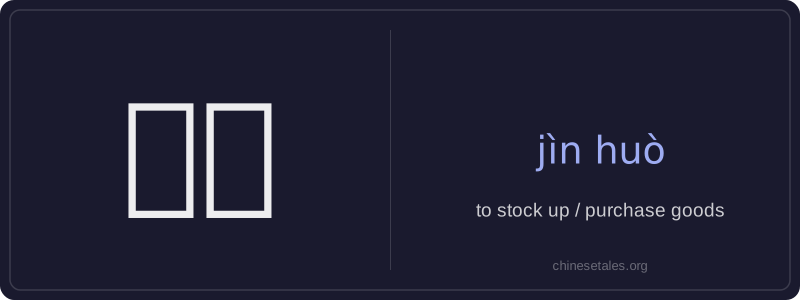
进货 (jìn huò) is a verb meaning 'to stock up on goods' or 'to purchase inventory', typically used by shop owners, retailers, or businesspeople when acquiring products for resale. The character 进 (jìn) means 'to enter' or 'to bring in', while 货 (huò) means 'goods' or 'merchandise'; together, they literally convey 'bringing goods into stock'. This term emphasizes the commercial action of replenishing inventory rather than casual shopping.
It’s commonly used in contexts like small shops, supermarkets, online stores, or wholesale businesses — for example, when a clothing store owner buys new seasonal items from a supplier. 进货 is not used for personal purchases; it implies intention to resell or use the goods operationally. The word often appears with time phrases (e.g., 每周进货 'stock up weekly') or with objects specifying what is being purchased (e.g., 进货一批新手机 'purchase a batch of new phones'). It carries a neutral, professional register and is rarely used in informal daily conversation about personal shopping.
Example Sentences
Related Words
中学
'Zhōngxué' literally combines 'zhōng' (middle)
见面
见面 literally means 'see face' — combining 见 (t
后来
Later (hòulái) is an adverb meaning 'afterwards'
背后
背后 literally means 'back + behind' and functions
我的
我的 (wǒ de) is a possessive pronoun meaning 'my'
这么
这么 (zhè me) is an adverb meaning 'so' or 'this
前面
前面 (qián miàn) literally combines 前 (qián, '
面条
‘面条’ (miàn tiáo) literally means ‘flour str